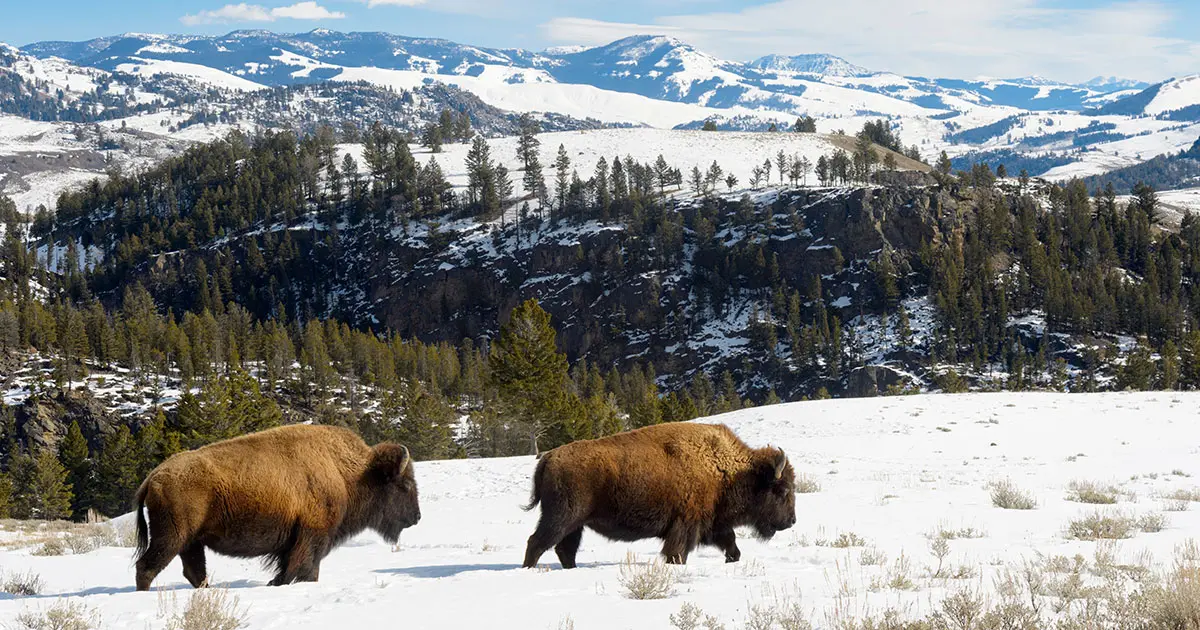
Ted Turner’s Montana land is unlikely to become a subdivision, a trophy-ranch flip, or a new public park. So what is the plan for the 130,000 acres spanning Montana’s ranchland? The answer is consequential: the land is expected to keep operating as Turner land – private, conserved, commercially managed, and largely protected from development.
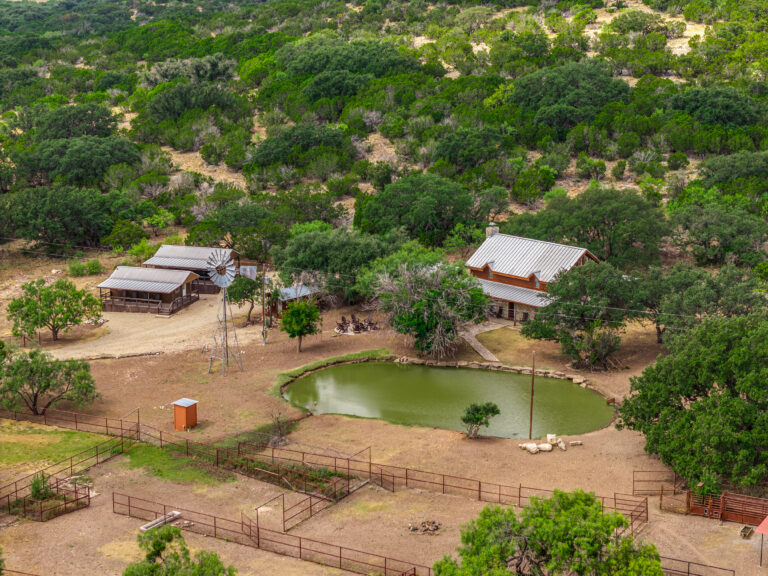
The nearly 130,000-acre figure refers mainly to two southwest Montana ranches: the 113,613-acre Flying D Ranch near Bozeman and the 13,343-acre Snowcrest Ranch along the Upper Ruby River. Turner Enterprises describes Flying D as a working ranch managed for bison and wildlife, and Snowcrest as a bison, wildlife, habitat-restoration, and native-species conservation property.
The central answer: continuity, not breakup
Turner Enterprises, on its legacy page after Turner’s death, said that Turner created the Turner Institute of Ecoagriculture before his death and that his lands will “continue to be protected,” with future development and parcelization limited. Turner’s ranch portfolio appears set to keep operating “as-is,” while Turner Enterprises had not disclosed further specifics about the legal mechanisms or ownership structure.
That matters because there are two separate questions people often collapse into one. First, who owns or controls the land after Turner? Public reporting has not fully answered that in estate-law detail. Second, what can be done with the land? On that question, the evidence is stronger: the Montana holdings are embedded in a long-term conservation and ranching system designed to outlive Turner.
High Country News reported that Turner’s conservation work is expected to continue after his May 6, 2026 death, citing Turner Enterprises’ statement that the roughly 2 million-acre ranch empire will remain protected from future development and parcelization. Turner Ranches, the Turner Foundation and other Turner nonprofits intend to continue stewardship and restoration on the lands.
Why Flying D is the key property
Flying D is the emotional and ecological centerpiece of Turner’s Montana legacy. Montana Free Press notes Turner bought the 113,600-acre Flying D in 1989 and became known in Montana for restoring bison and other species, and for championing conservation easements. Flying D is not simply an empty land bank: it is a working bison and wildlife ranch with elk, wolves, moose, pronghorn, bears, mountain lions, badgers, eagles and trout fisheries.
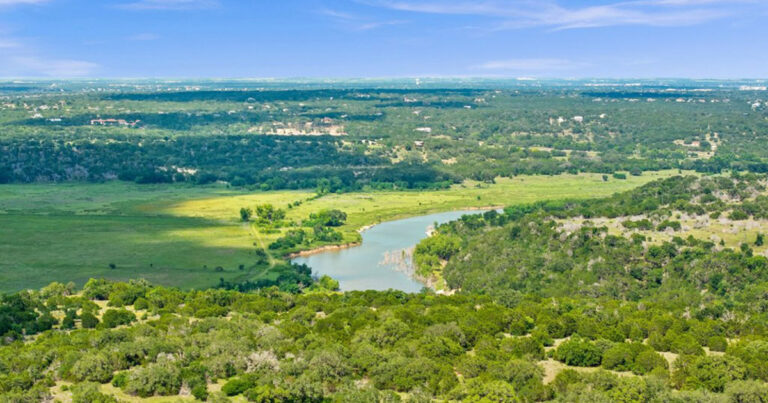
The property also sits in one of the most politically and ecologically sensitive places in the interior West: the fast-growing Bozeman–Big Sky–Greater Yellowstone corridor. Turner’s land will remain undeveloped and function as refuge for wildlife and clean water. Flying D’s protection is “a gift to Montana,” partly because its location in the Greater Yellowstone Ecosystem gives it outsize value for wildlife movement and habitat continuity.
Flying D is private land, but it is not invisible to the public. U.S. 191 passes through the ranch, and that tens of thousands of people cross Turner land each year, often en route to a Spanish Peaks Wilderness trailhead or to view bison, elk, bears and wolves from public routes. That access pattern is likely to remain much the same unless future managers change ranch rules around outfitting, safety, or road-adjacent use.
What about Snowcrest?
Snowcrest is smaller but still significant. Turner Enterprises lists Snowcrest as a 13,343-acre ranch along the Upper Ruby River in southwest Montana. Its management includes sustainable bison ranching, wildlife populations, riparian restoration, native cottonwood and willow regeneration, Arctic grayling reintroduction support, and westslope cutthroat trout conservation work with state and federal agencies.
Unlike Flying D, Snowcrest has not dominated public discussion, but it fits the same pattern: private ownership, bison production, wildlife habitat, stream restoration and partnerships with conservation agencies. So the most likely future for Snowcrest is not a separate sale into residential development, but continued operation inside the Turner Ranches conservation-and-ranching portfolio.
Could the land be sold?
Legally, conserved private land can often be sold. A conservation easement usually restricts what future owners can do; it does not necessarily prohibit a transfer of ownership. That distinction is important. The Nature Conservancy explains that conservation easements are permanent restrictions placed on land while the land remains privately owned. The Land Trust Alliance similarly describes conservation easements as tools meant to protect natural and agricultural resources for present and future generations.
So, yes, a future sale is theoretically possible unless Turner’s estate plan, corporate structure, nonprofit transfers, easement terms or trust documents prohibit it. But a sale would not mean the buyer could automatically carve the land into ranchettes. DTN reported that Flying D has a conservation easement through The Nature Conservancy, and conservation restrictions generally bind future owners.
The more realistic scenario is not a dramatic market listing but institutional continuity: Turner Enterprises, Turner Ranches, the Turner Institute of Ecoagriculture, Turner family members and related nonprofits continuing to manage the holdings under the “eco-capitalism” model Turner spent decades building.
The business model will probably continue too
Turner’s ranches were never managed as pure wilderness preserves. Turner Enterprises’ ranch FAQ says the company’s mission is to manage Turner lands in an “economically sustainable and ecologically sensitive manner” while conserving native species. It also says Turner ranches use one or more of bison ranching, commercial hunting or fishing, and limited sustainable timber harvesting.
That means the Montana land will likely keep generating revenue through bison production, outfitted hunting and fishing, and possibly carefully managed habitat or research partnerships. Flying D already offers hunting opportunities through Montana Hunting Company and Turner’s approach included granting access to outfitters for hunting and fishing so the ranch could remain financially solvent.
This is central to understanding Turner’s likely posthumous plan. He did not treat conservation and commerce as opposites. He tried to make the land pay enough to stay intact.
Why Montana observers care
The question is bigger than Turner. Montana has been wrestling with the concentration of private landownership, the shift from family ownership to corporate entities, and the tension between private property rights and public wildlife values.
Turner represents the most conservation-friendly version of that trend: a billionaire landowner who used private capital to keep enormous landscapes undeveloped. But even sympathetic observers recognize the public-policy tension. Wildlife belongs to the state’s citizens, while much of the habitat and migration corridor may be on private land. Turner’s Montana ranches show both sides of that reality: private control, but major public ecological benefit.
Bottom line
After Ted Turner’s passing, his nearly 130,000 acres in Montana are expected to remain private, conserved working ranchland. Flying D and Snowcrest will likely continue as bison, wildlife, habitat-restoration and outfitting properties managed under the Turner Ranches ecosystem. The land is not expected to be broken up for development, and at least Flying D is reported to be protected by a conservation easement.
The deeper answer is that Turner appears to have planned for this moment. His Montana land was not merely a personal playground or real-estate investment. It was part of a long-term conservation machine: private ownership, ecological restoration, bison economics, philanthropy, research, and legal restrictions designed to keep large landscapes whole. What happens next is likely less a transfer than a test – whether the institutions Turner built can preserve the land ethic of a man who could buy almost anything, and chose to buy space for wildness.