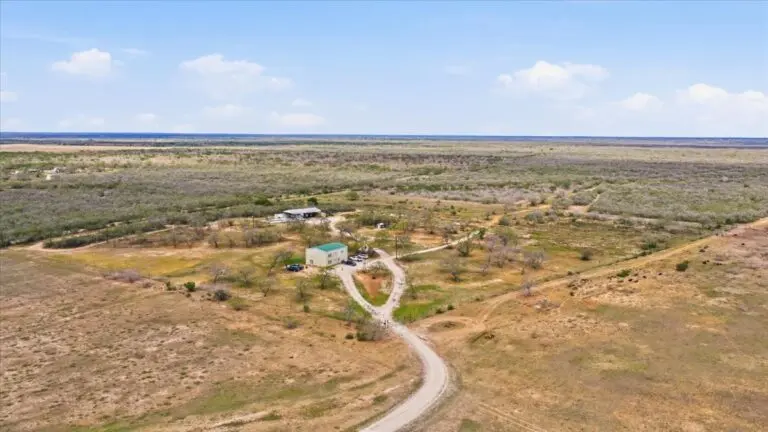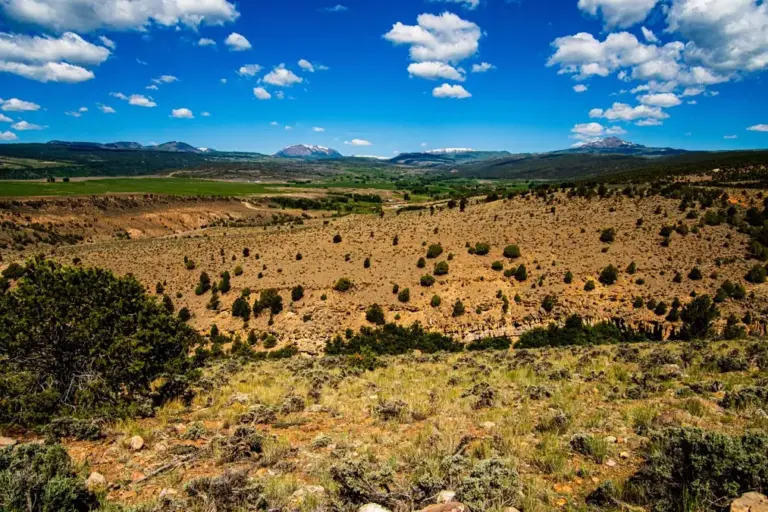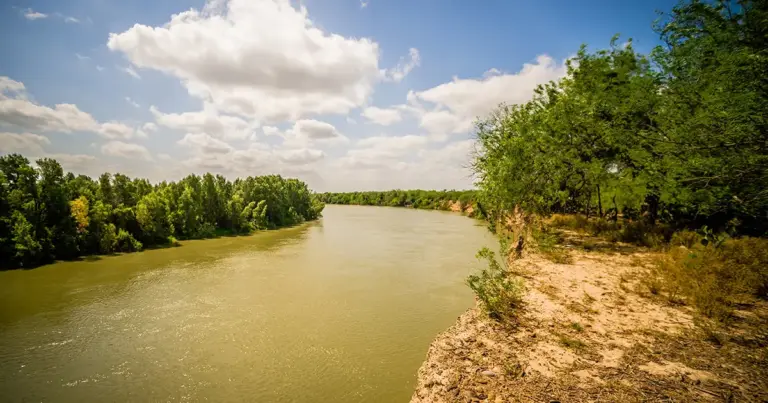
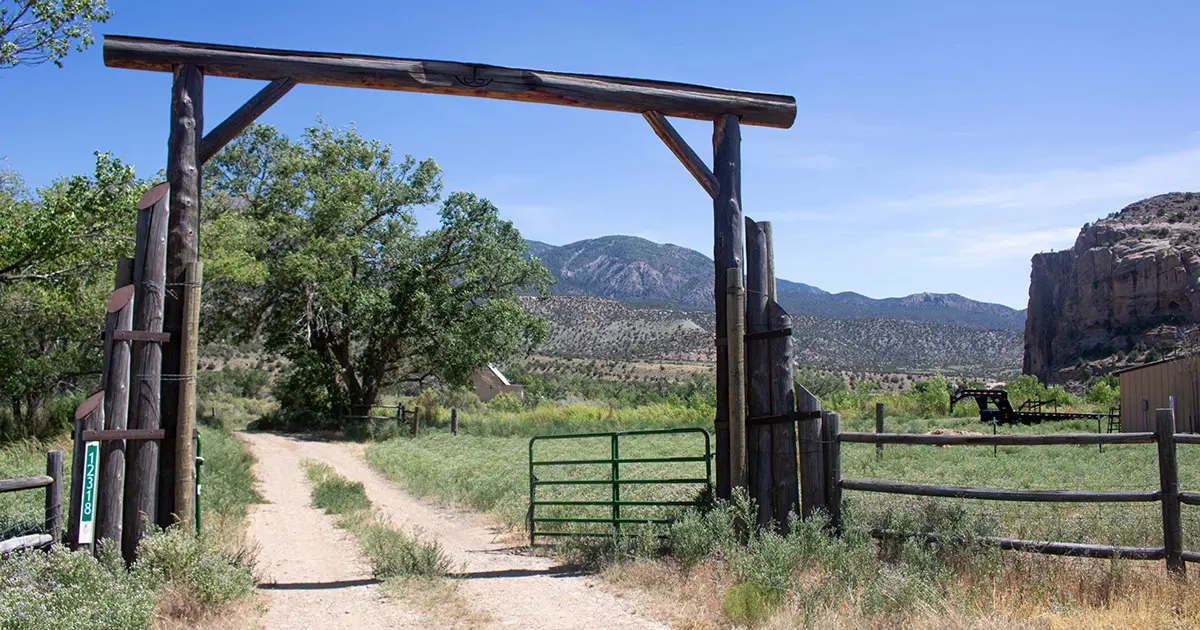
Colorado is one of the most pristine, challenging, and rewarding places in the U.S. to own a ranch. The landscape changes dramatically from the irrigated valleys of the Western Slope to the shortgrass prairie of the Eastern Plains – and so do the rules, risks, and economics. If you treat a ranch like “just a big piece of land,” you can end up buying a beautiful property that can’t reliably water livestock, can’t legally access a road, or comes with someone else’s mineral development rights.
Read our due diligence-first guide that was developed around the issues that most often make or break a Colorado ranch deal. And if you want to avoid any pitfalls, working with our experienced UC Colorado ranch team is the best way to purchase a property that is best suited for you.
1) Start with a blunt definition: what makes it a “ranch” as far as your own goals?
Before you look at listings, decide what “working” means:
- Production goals: cow-calf, stocker, hay, hunting/guest use, equine, regenerative grazing, hobby.
- Operating model: owner-operator vs. manager/lessee.
- Water dependence: irrigated hay vs. native pasture (this changes everything).
- Region tradeoffs: snowpack/wildfire exposure vs. prairie drought/wind; distance to services; grazing season length.
That clarity drives the due diligence you’ll prioritize – especially around water, access, and land-use limits.
2) Water is the deal: rights, wells, ditches, and “can I actually use it?”
Water rights are property rights – often separate from the land
In Colorado, water rights are a distinct property right with a priority date confirmed by the water court (it can be conditional or absolute). It is not automatically guaranteed just because water runs through the property.
What to verify (and how)
- Decreed surface water rights (rivers/ditches):
- Confirm the exact decrees, priority dates, and historically irrigated acreage.
- If water is delivered via a ditch, you may own ditch company shares rather than “a right attached to the land.” CSU Extension notes that water shares are equity in a mutual ditch/canal/reservoir company and can be transferred like personal property.
- Ditch systems can carry long-standing rights-of-way and maintenance access expectations that may not look obvious on a plat map.
- Groundwater wells (domestic, livestock, irrigation):
- In Colorado, new wells diverting groundwater generally require a permit.
- Many “non-exempt” wells require an augmentation plan (a long-term, water-court-approved plan to replace stream depletions).
- The State Engineer’s office (DWR) also publishes permit guidance and responds to well/augmentation questions through AskDWR.
- Ownership and chain-of-title reality check
Colorado does not maintain a single “ownership registry” for water rights in the way many buyers expect – meaning you often have to reconcile deeds, ditch share records, and well paperwork.
Red flags that deserve extra scrutiny
- “Seasonal creek” described as a water source, with no decreed right.
- A well that’s “there” but lacks clear permitted uses, capacity, or augmentation compliance.
- Hay ground priced like irrigated ground, but the water is junior/interruptible in dry years.
- Ditch shares listed, but stock certificates/transfer paperwork are unclear.
3) Access, easements, and boundaries: can you legally reach and operate the ranch?
A ranch can be “effectively unusable” if access is shaky.
What to confirm:
- Legal access to a public road (not just a gate people have used for decades).
- Recorded easements for roads, utilities, and ditch maintenance corridors.
- Survey quality: corners, fences, encroachments, and any boundary disputes.
If a parcel is landlocked, Colorado law may recognize concepts like easements by necessity in limited circumstances – but you do not want your investment thesis to depend on litigation.
4) Open range & fencing: who’s responsible when livestock show up?
Colorado’s “open range” concept often surprises newcomers. The Colorado Department of Agriculture explains that livestock owners generally are not required to fence livestock in; instead, landowners who want to keep livestock off their land must typically fence livestock out, with obligations grounded in the fence statutes.
What this means in practice:
- Budget for fence construction and maintenance as core infrastructure.
- Understand whether your area is functionally “open range” and how that affects liability and neighbor relations.
5) Mineral rights and “split estate”: what can someone else do on/under your land?
In Colorado, it’s common for the surface estate (what you’re buying) to be owned separately from the mineral estate. State statute-required disclosures emphasize that third parties may own or lease oil/gas/minerals and may enter and use the surface to access them, sometimes governed by a surface use agreement.
Due diligence steps:
- Determine what mineral rights (if any) are conveyed with the purchase.
- Search for recorded memoranda of surface use agreements or operator notices.
- If you’re in an active basin, learn the surface owner notice framework and timing expectations for certain operations.
6) Conservation easements: huge value, real restrictions
Many Colorado ranches are protected by conservation easements. They can:
- Preserve ranching and habitat values,
- Potentially support tax planning (for donors),
- But also limit subdivision, building envelopes, road construction, and certain land uses.
Colorado’s legislative staff issue brief provides an overview of conservation easements, certification, and incentives.
If you’re buying land already encumbered, land trusts like Colorado Open Lands emphasize understanding your rights/responsibilities as the new owner.
Non-negotiables;
- Read the easement deed and all amendments.
- Confirm what’s allowed for ag operations, residences, worker housing, barns, roads, and water development.
7) Zoning, county land use, and “1041” permits: what can you build or change?
Colorado counties control much of land use. Some projects may trigger Colorado’s “Areas and Activities of State Interest” framework (often called “1041”), which can require county permitting for certain developments or impacts in sensitive areas.
8) Property taxes: agricultural classification can matter a lot
Colorado property taxes depend heavily on classification. Counties often publish plain-language guidance on agricultural classification requirements and documentation (e.g., prior use, current use as farm/ranch, and what evidence assessors may request).
The Colorado Division of Property Taxation also publishes statewide resources on classification/valuation.
9) Septic and wastewater: it’s regulated – and county-permitted
Many ranches rely on septic systems (OWTS). Colorado’s health department explains OWTS are governed by Regulation 43, with local counties handling permits for systems at or below 2,000 gallons/day (and county rules must be at least as stringent).
10) If public-land grazing is part of the value, understand transfer rules
Some ranches pair private “base property” with federal grazing permits/leases. If that’s in the deal economics, you need to understand the agency process and timelines.
Federal regulations describe transfer mechanics tied to base property and grazing preference – e.g., if base property is sold or leased, the transferee generally must file a transfer application with BLM within a specified period.
In Colorado, the ranch you think you’re buying and the ranch you can legally operate can be two different things. If you get the water, access, mineral, easement, and county-use questions answered early – and price wildfire/insurance and infrastructure honestly – you’ll avoid the classic heartbreak: buying an incredible landscape with invisible constraints.
A ranch real estate broker who sells working properties (not just acreage) is invaluable in purchasing a ranch in this state. View our currently listed ranches for sale in Colorado and Browse out ranch real estate offices in the region.