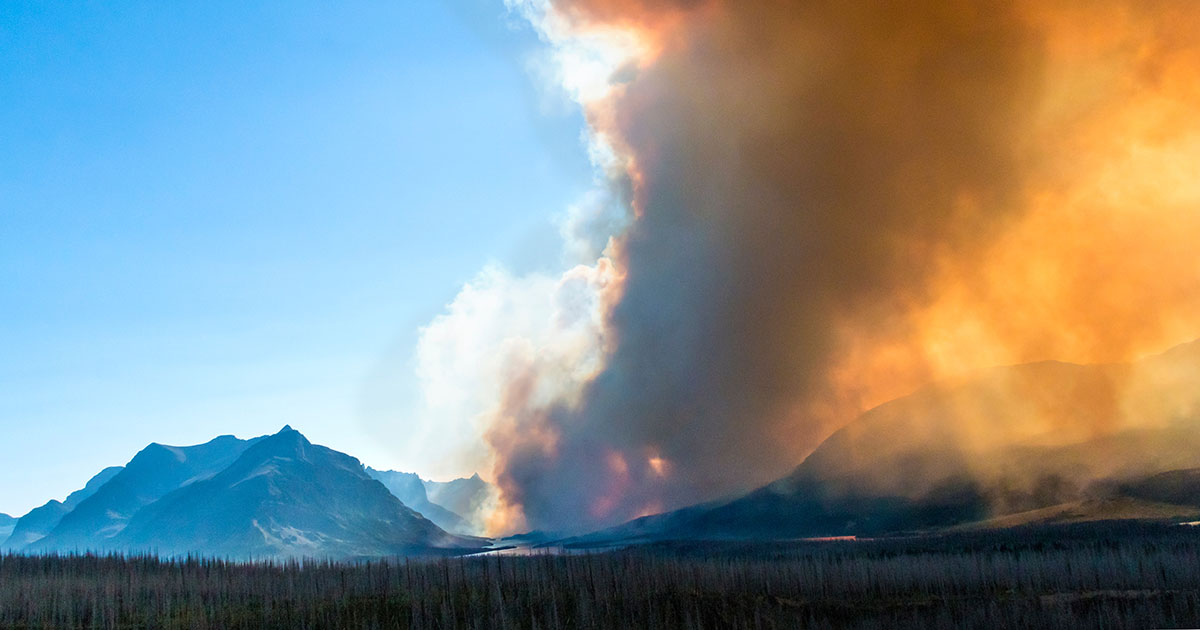
As of August 17, the Sand Creek Fire had burned more than 31,000 acres and was only 1% contained while the nearby Bobcat Lakes Fire was approaching 10,000 acres. Federal closures covered roads, trails and grazing country in the Beaverhead-Deerlodge National Forest, while ranchers and fire personnel worked to move cattle from threatened allotments.
How Fires Affect Ranchers
The first danger is to livestock. Fast-moving fire can kill or burn cattle, separate cows from calves and force hurried gathers across steep country. Smoke creates a second hazard. University of California, Davis veterinary guidance says fine particles can irritate animals’ eyes and respiratory tracts, reduce lung function and increase the risk of secondary illness. Gathering, trucking and handling smoke-exposed cattle can aggravate that stress.
For many ranches, however, the largest loss may be forage. An August fire can erase the remaining weeks of summer grazing, while a safety closure can make even unburned forage unavailable. Producers may have to buy hay, haul feed or water, lease replacement pasture, move cattle long distances, wean calves early, or reduce their herds. These costs arrive before winter and can be magnified by drought: the U.S. Drought Monitor reported worsening dryness across Montana’s plains in mid-August and above-normal temperatures across much of southern Montana.
Wildfire also damages the systems that make grazing possible. Burned fences and gates leave pastures unusable; damaged pumps, pipelines, and stock tanks interrupt water supplies. Replacing miles of fence in remote terrain can take months. The loss of cross-fencing also makes it harder to control where cattle graze, increasing pressure on the unburned ground that remains.
The land itself may need time to recover. Fire removes standing vegetation and litter that protect soil from wind and water erosion. Heavy rain on a burn scar can move ash and sediment into stock-water sources or cut gullies through pastures and roads.
These physical losses become a cash-flow problem. Cow-calf operations earn most of their income at specific points in the production cycle, so emergency feed, trucking, and repairs are difficult to offset right away. Early sale of calves may mean lighter weights; selling breeding cows can reduce income for years. Neighboring ranches may also feel the strain as demand rises for hay, pasture, trucks and fencing crews.
Federal assistance sometimes can soften the damage. USDA’s 2026 wildfire guide identifies the Livestock Indemnity Program for eligible deaths, the Emergency Assistance for Livestock program for certain feed, grazing and hauling costs, and the Livestock Forage Disaster Program when fire closes federally managed grazing land. The Emergency Conservation Program may cost-share eligible fence, debris and livestock-water repairs. USDA stresses that eligibility and documentation matter are important ranchers should photograph losses, preserve herd and grazing records, retain receipts and contact their local Farm Service Agency before beginning work requiring prior approval.
Montana’s current fires are therefore more than a suppression emergency. Their ranching impact will be measured in displaced cattle, lost animal-unit months, winter-feed bills and the time required to rebuild both range and infrastructure. Rain may quiet a fire quickly, but recovery on a working ranch can last several seasons.